
 Auto Parts
The Essential Auto Parts Every Car Owner Should Know About
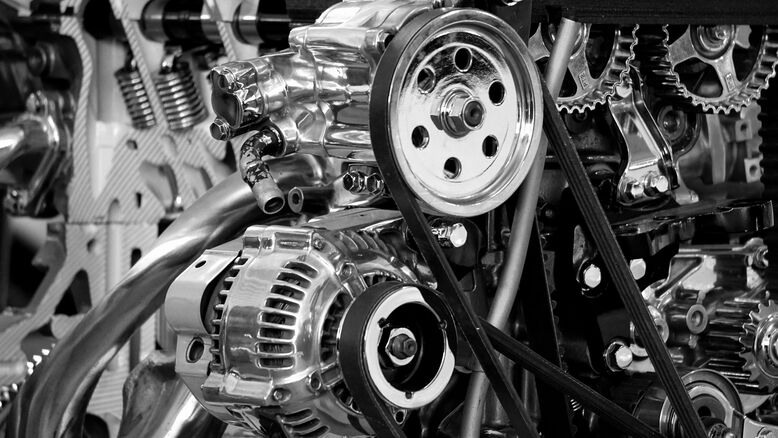
Every car is made up of thousands of components, but some auto parts are more crucial than others. Whether you’re a beginner or an experienced driver, understanding these essential parts can help you maintain your vehicle and avoid costly repairs.
1. Engine & Transmission
The engine is the heart of the car, converting fuel into power, while the transmission ensures the vehicle moves efficiently. Regular oil changes and transmission fluid checks are key to their longevity.
2. Battery
A car’s battery powers everything from the ignition to the lights. Keeping the terminals clean and ensuring the battery is fully charged prevents breakdowns.
3. Brakes & Brake Pads
Your car’s braking system is essential for safety. Worn-out brake pads can reduce stopping power, so it’s important to check them periodically.
4. Tires & Wheels
Good tires ensure a smooth ride and proper traction. Regularly checking the tire pressure and tread depth improves fuel efficiency and safety.
5. Suspension System
The suspension system absorbs shocks from the road, providing comfort and stability. Worn-out shocks or struts can make driving uncomfortable and unsafe.
Understanding these parts can help car owners make informed decisions about maintenance and repairs, ensuring their vehicles stay roadworthy for years.
 Car
Car
How to Save Money on Auto Repairs: A Car Owner’s Guide
Car repairs can be expensive, but with the right approach, you can reduce costs while keeping your vehicle in top shape. Here are some tips to help you save money on auto repairs.
1. Follow Regular Maintenance Schedules
Routine maintenance, like oil changes, tire rotations, and fluid checks, prevents major issues and costly repairs down the road. Always follow the manufacturer’s maintenance guidelines.
2. Learn Basic DIY Repairs
Some minor repairs, such as changing air filters, windshield wipers, and brake pads, can be done at home with basic tools. YouTube tutorials and car manuals are great resources for beginners.
3. Compare Repair Shop Prices
Before taking your car to a mechanic, get multiple quotes from different repair shops. Independent mechanics often offer lower prices than dealership service centers.
4. Buy Aftermarket or Used Parts
OEM (Original Equipment Manufacturer) parts can be expensive. Consider high-quality aftermarket or used parts from reputable sources to save money.
5. Invest in a Good Diagnostic Tool
An OBD-II scanner can help you diagnose common car issues, saving you from unnecessary mechanic visits. Many modern scanners can connect to your smartphone for easy troubleshooting.
By following these strategies, you can reduce repair costs while ensuring your car remains reliable and safe on the road.
 Future
The Future of the Automotive Industry: Trends to Watch in 2025
The automotive industry is evolving rapidly, with new technologies and trends shaping the way we drive. Here are some key developments expected in 2025 and beyond.
1. The Rise of Electric Vehicles (EVs)
With growing concerns over climate change, major car manufacturers are shifting towards electric vehicles. EVs offer lower emissions, reduced fuel costs, and advanced technology.
2. Autonomous Driving Technology
Self-driving cars are becoming more advanced, with AI-driven systems improving safety and efficiency. While full autonomy is still in progress, many new cars include driver-assist features like adaptive cruise control and lane-keeping systems.
3. Connected Cars & IoT Integration
Modern cars are now equipped with internet connectivity, allowing real-time data sharing, remote diagnostics, and improved navigation. Car manufacturers are also integrating AI assistants to enhance the driving experience.
4. Sustainable Manufacturing Practices
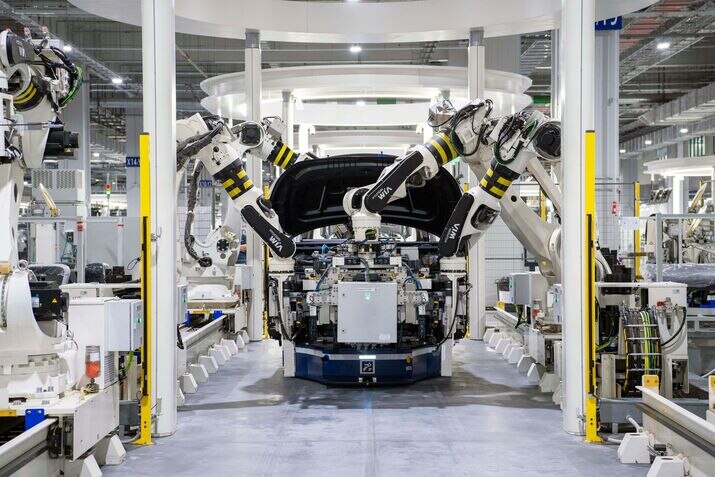
Automakers are focusing on eco-friendly production methods, including recycled materials, biodegradable components, and energy-efficient factories. Sustainability will play a major role in the future of car manufacturing.
5. 3D Printing & Customization
3D printing technology is revolutionizing auto parts manufacturing, allowing for custom parts, faster repairs, and cost-effective production. Car enthusiasts will have more customization options than ever before.
With these exciting advancements, the future of the automotive industry looks promising, offering more efficient, safer, and eco-friendly vehicles.